A Requiem for a Lost Innocence | Miguel Jeronimo
Indigenous people represent about 5% of Earth’s population, but are among the world’s most important stewards of biodiversity and intact ecosystems, with more than 370 million individuals living in more than 90 countries and caring for around a quarter of the planet’s land. Cambodia is home to 24 Indigenous groups, representing approximately 1.4% of its total population.
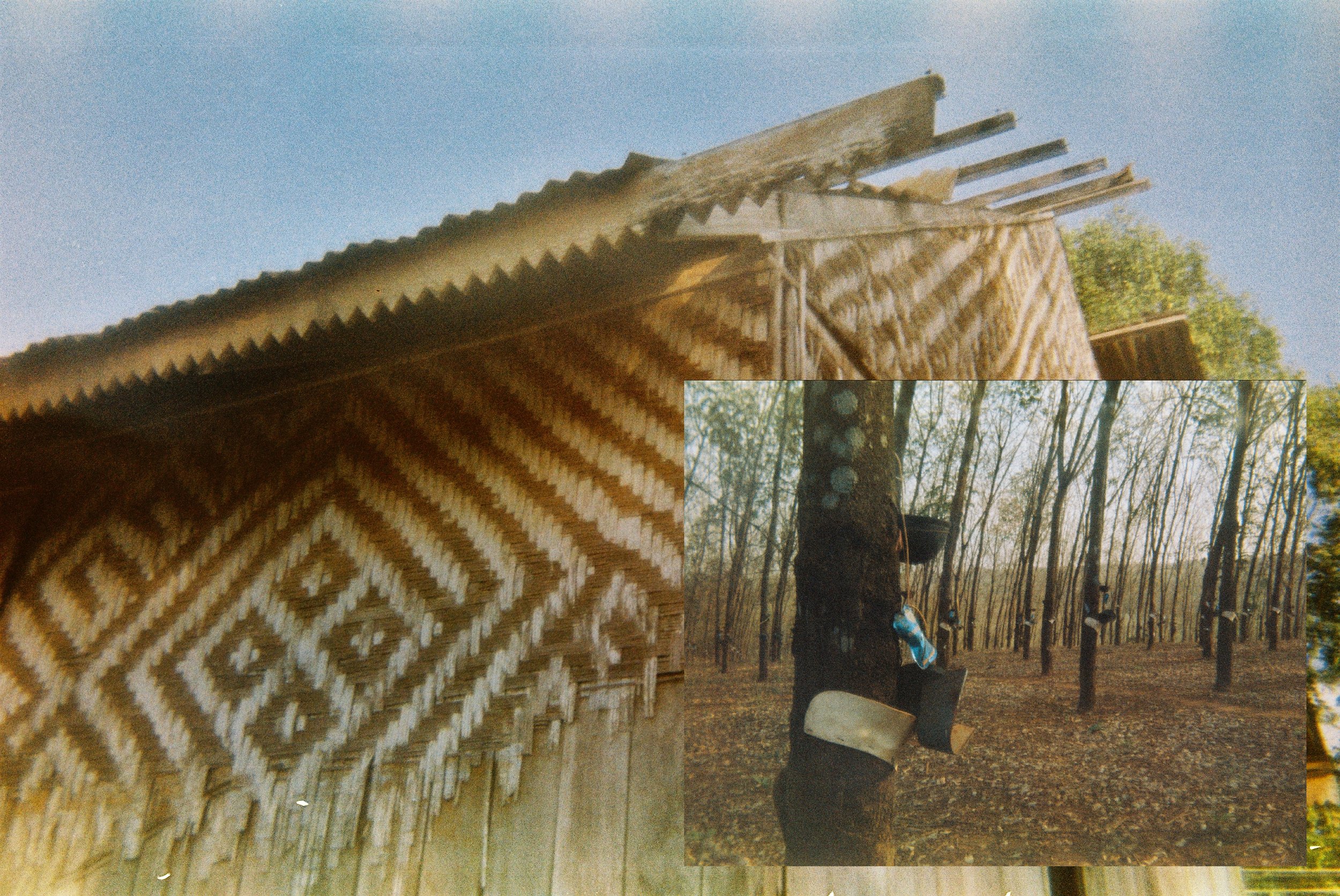
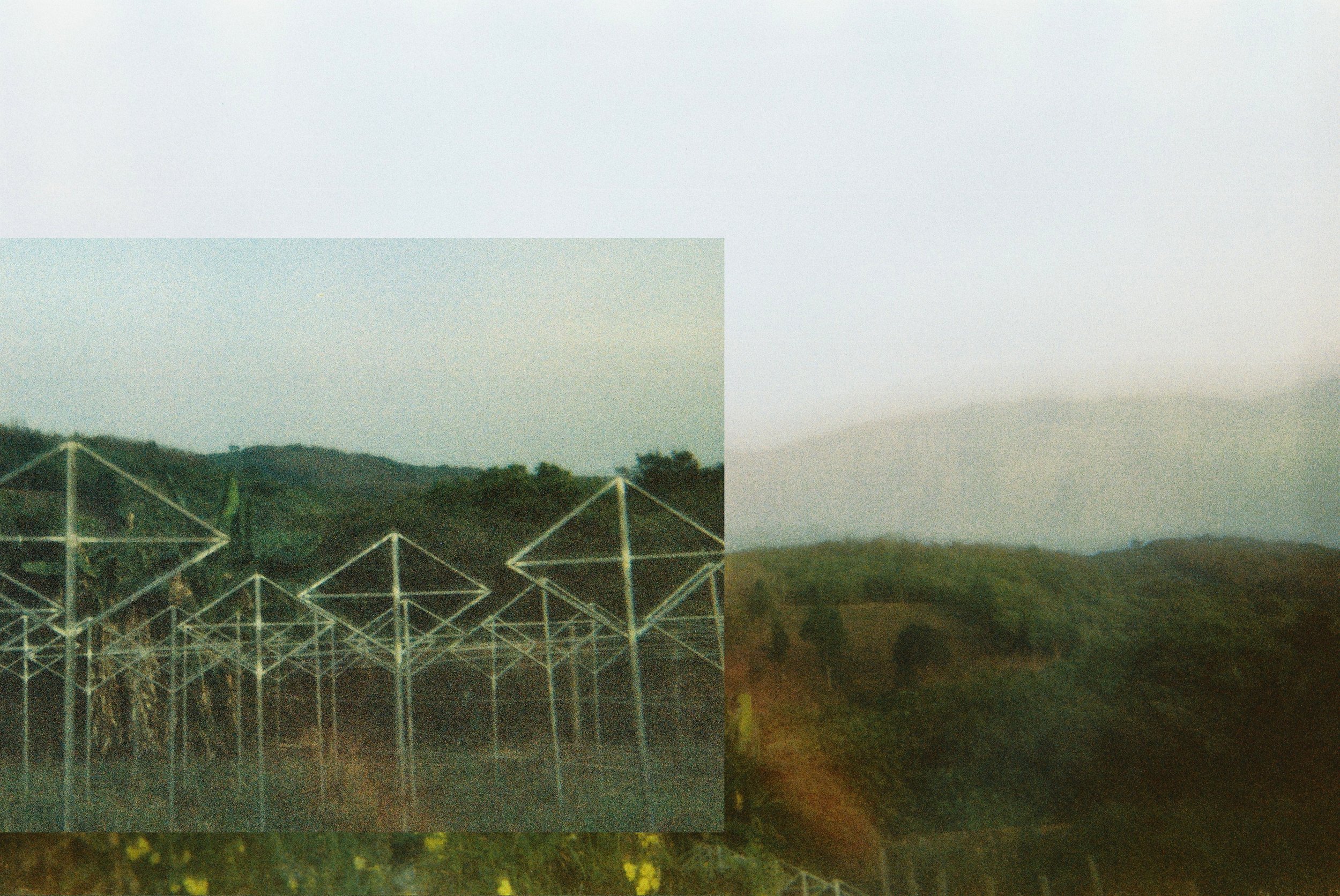
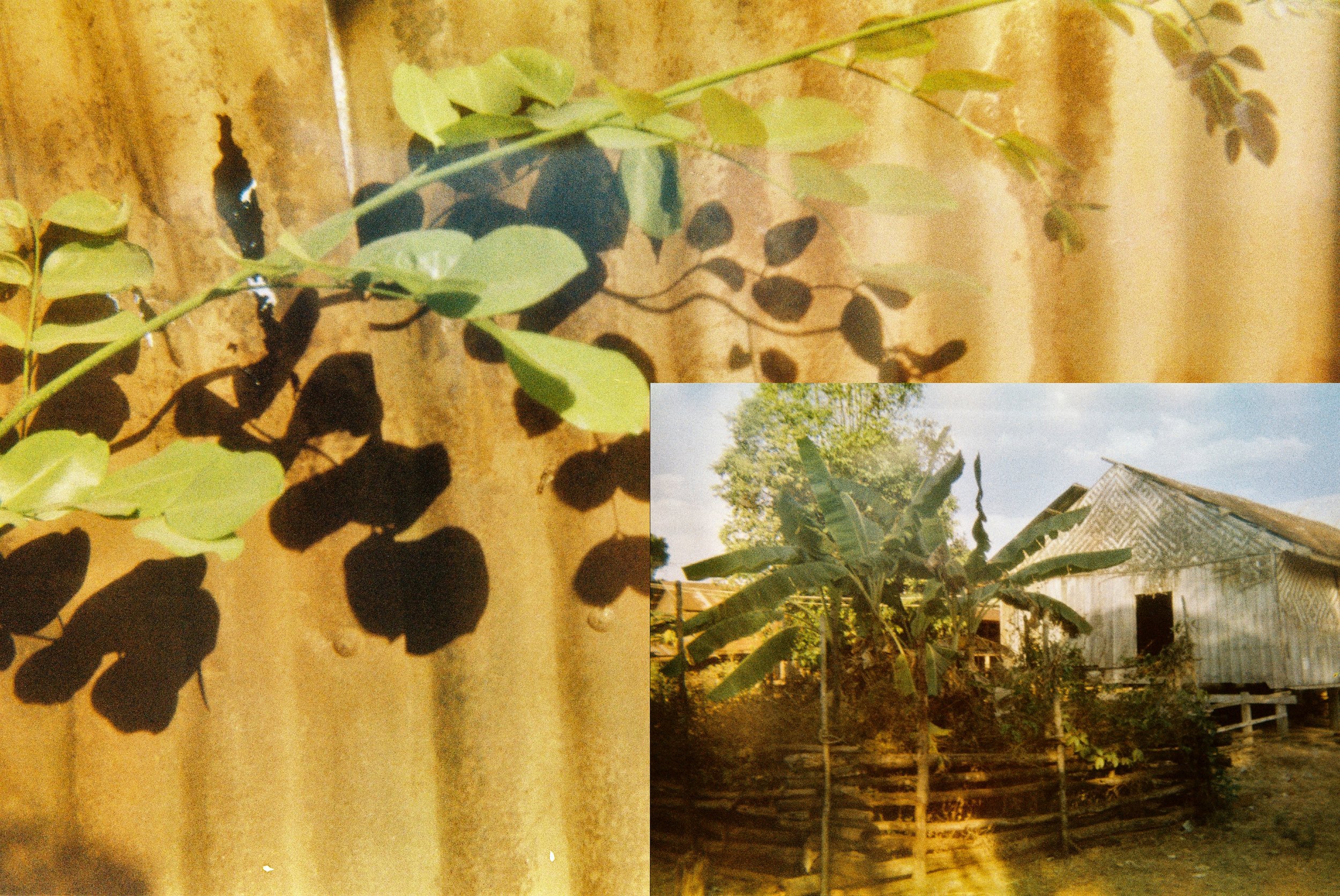
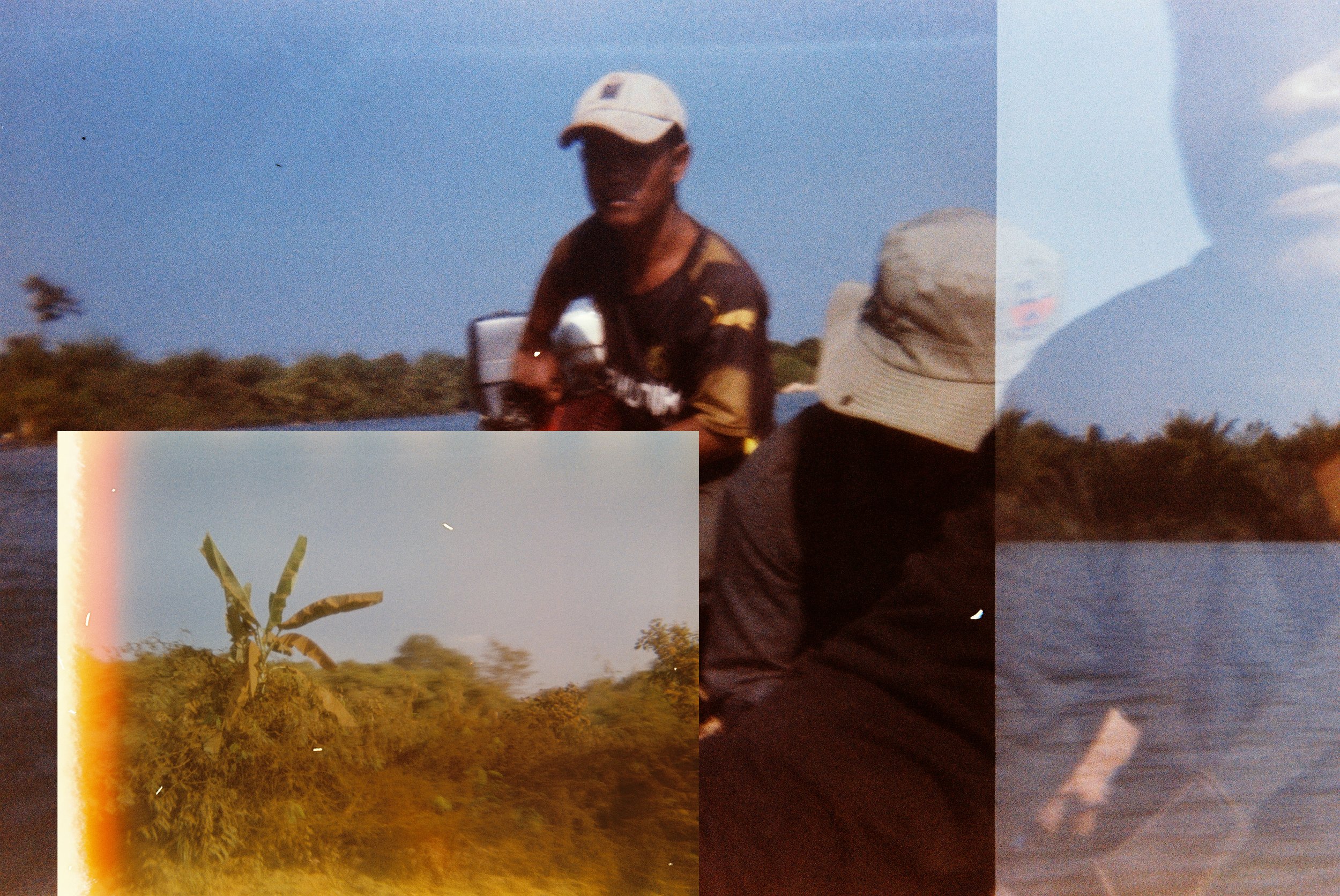
This series of photos was born out of a trip to Ratanakiri in the very northeast tip of the country, where 70% of the province’s population lives in the highlands, comprising the ethnic groups Tampuan, Jarai, Kreung, Brao, Kachok and Kavet. What has been described as Zomia by anthropologist James Scott, the largest anarchist non-country in the world. This large territory reaching out from mainland Southeast Asia to Southern China is an example of a large population governing themselves for centuries, focussed on community self-reliance and far from centralised-power centres of previous empires. As soon as the modern world reached them, it was to exploit their lands, bringing visions of development they do not recognise, large-scale plantations and tourism that do not count them as equals, value their nature or relationship with the spirits. A loss of innocence, since now they are forced to engage with it. On other people’s terms.
I have been living in Cambodia for nine years, with the last couple being focussed on working with Indigenous communities and their relationship with land – mostly with the Kui in the provinces of Kampong Thom and Preah Vihear. This trip to Ratanakiri, and later to nearby Mondulkiri to engage in a march for Bunong rights, another ethnic group being forcibly evicted and their forest erased, served as a learning experience to engage with other ethnic groups and explore the similarities in their challenges and fights. Universal across the country (and the world), the plight of Indigenous groups gets ever more urgent in times of climate crisis and deforestation. They are the ones with the answers for the loss of biodiversity and community living, if only we care to listen.
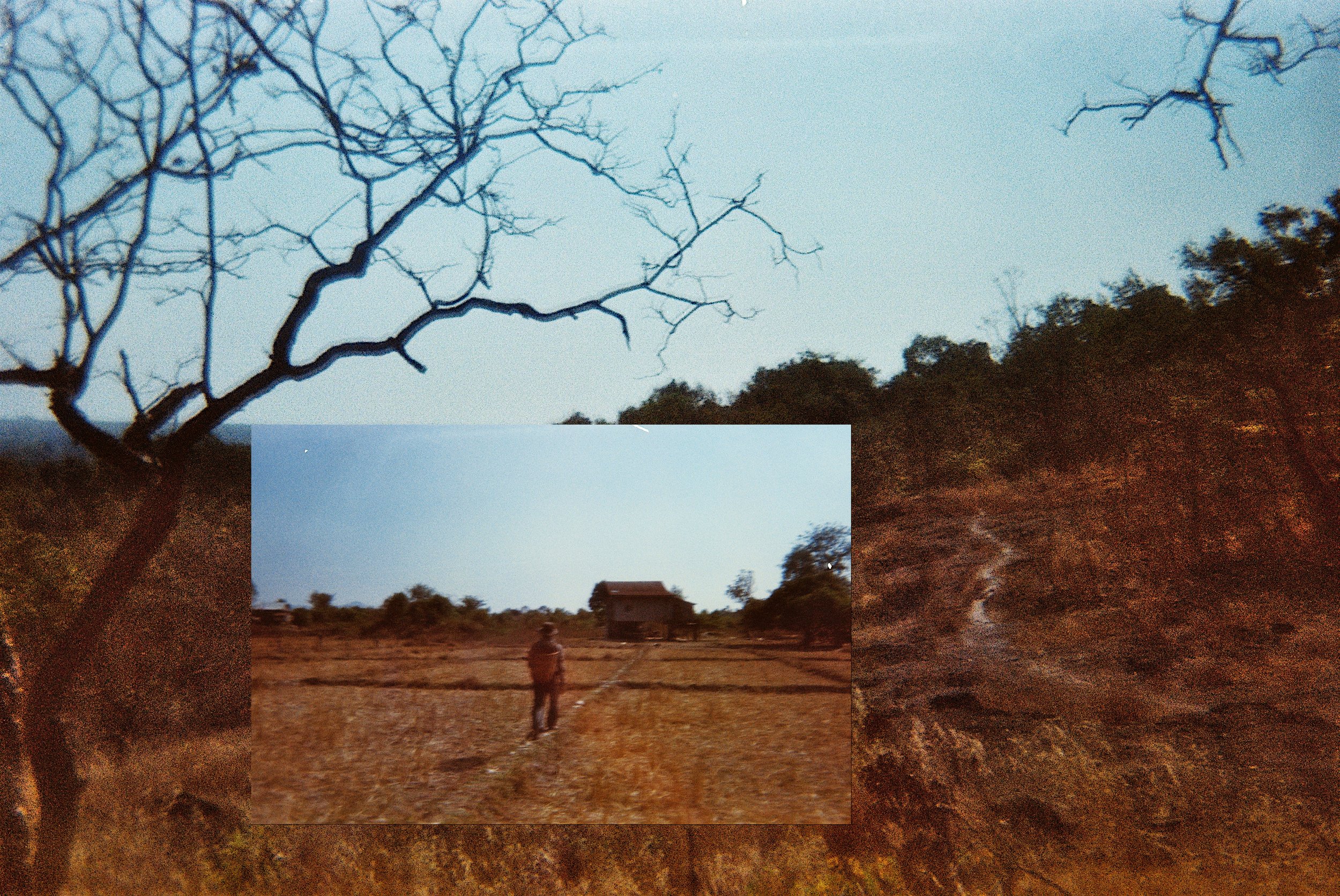
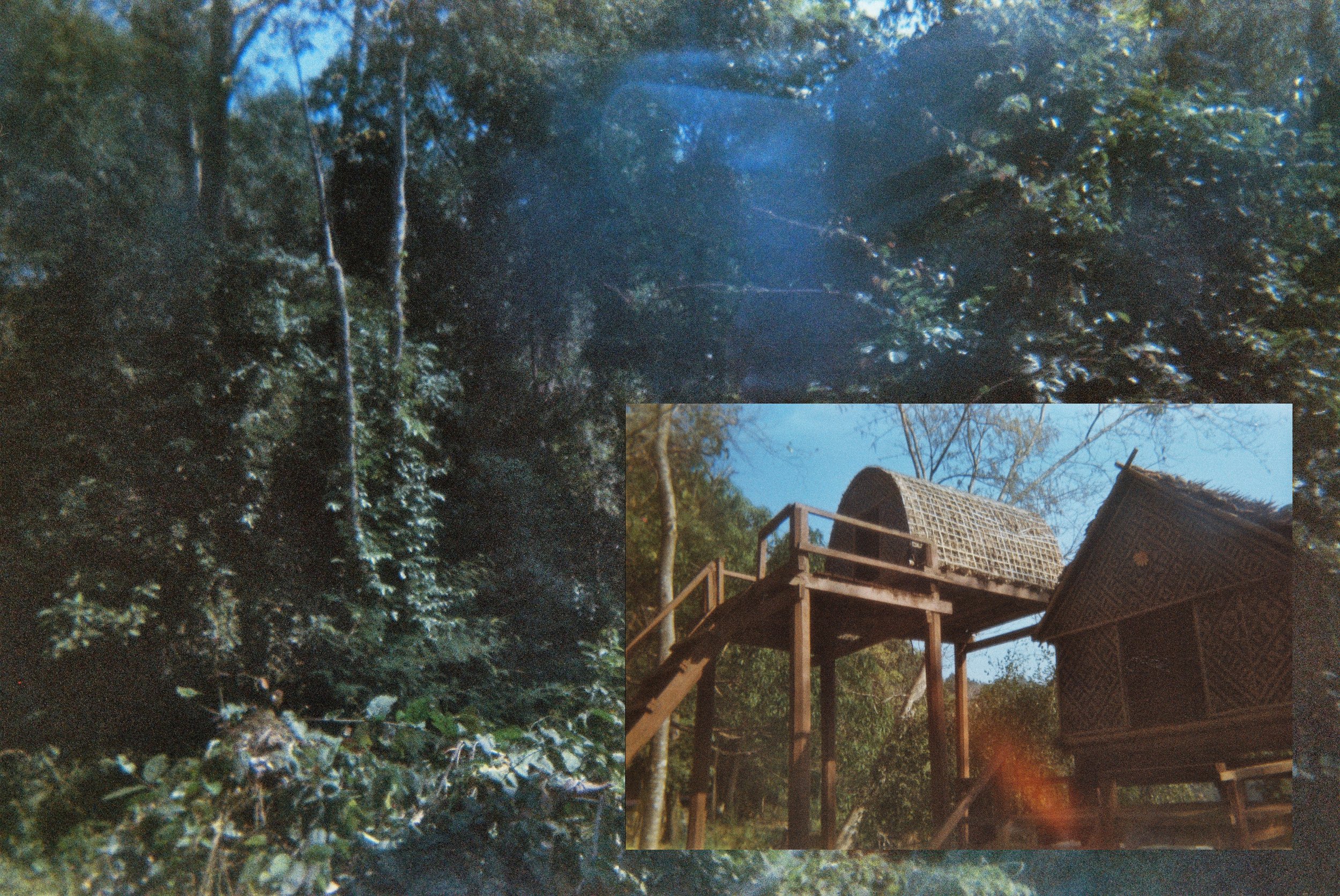
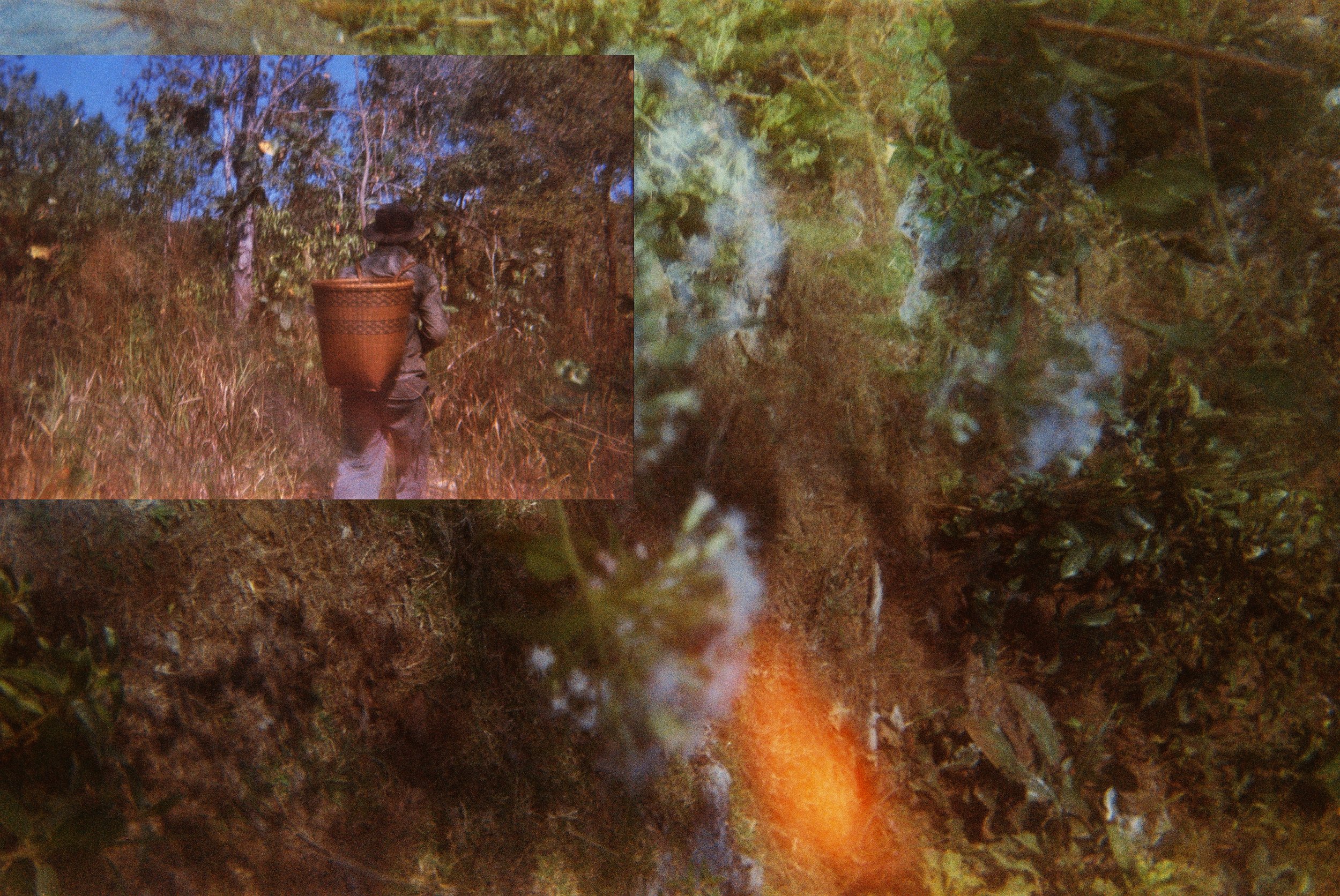
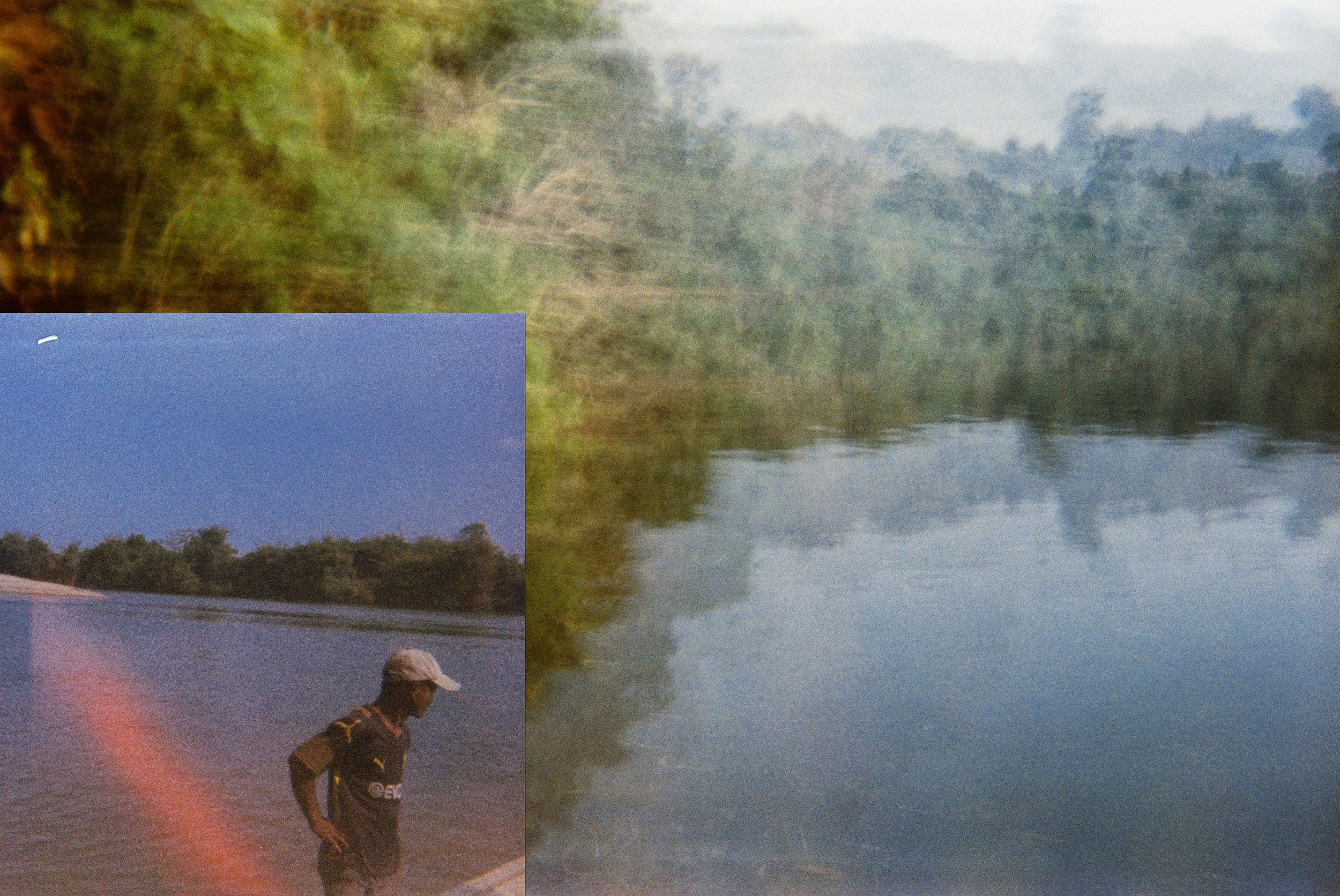
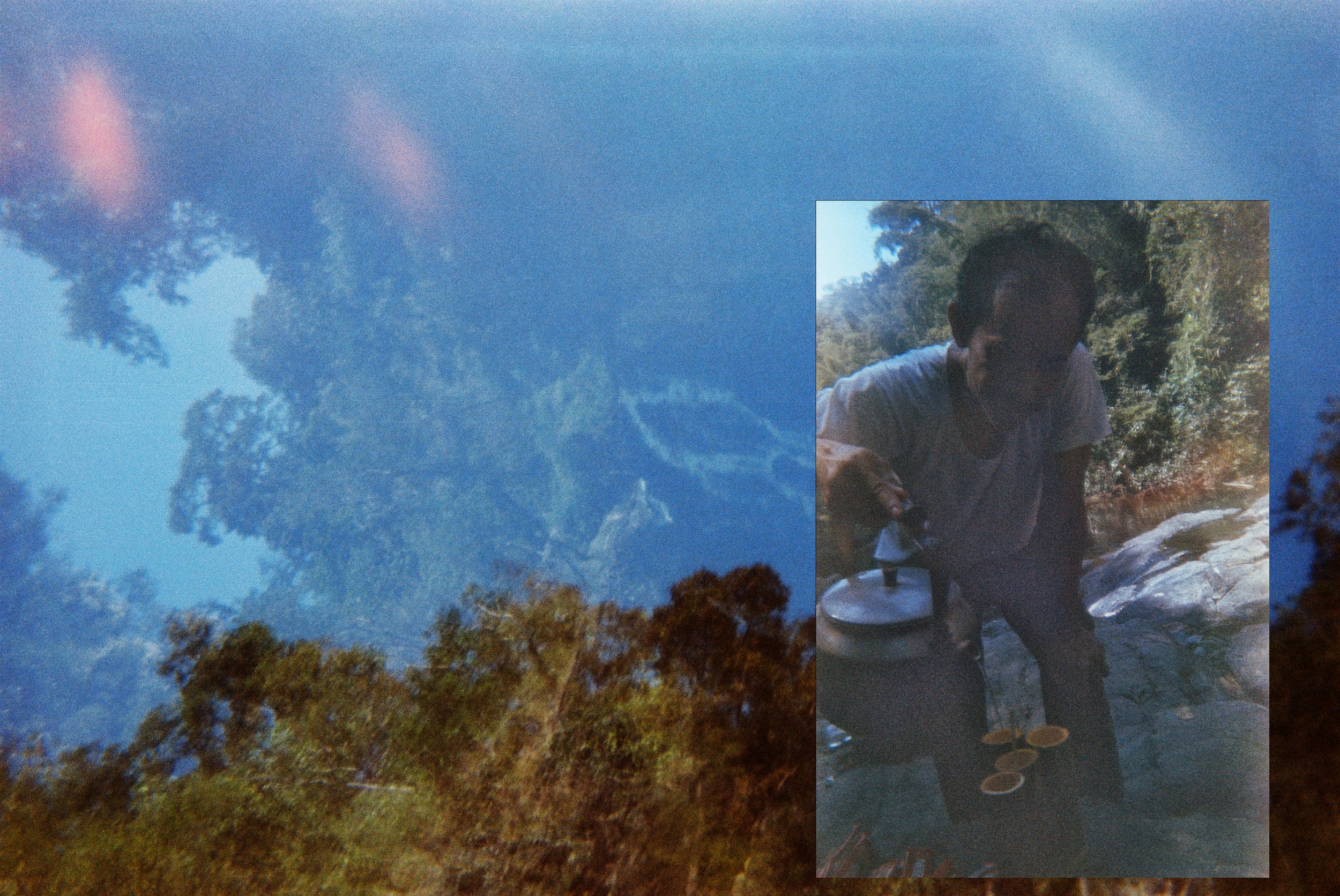
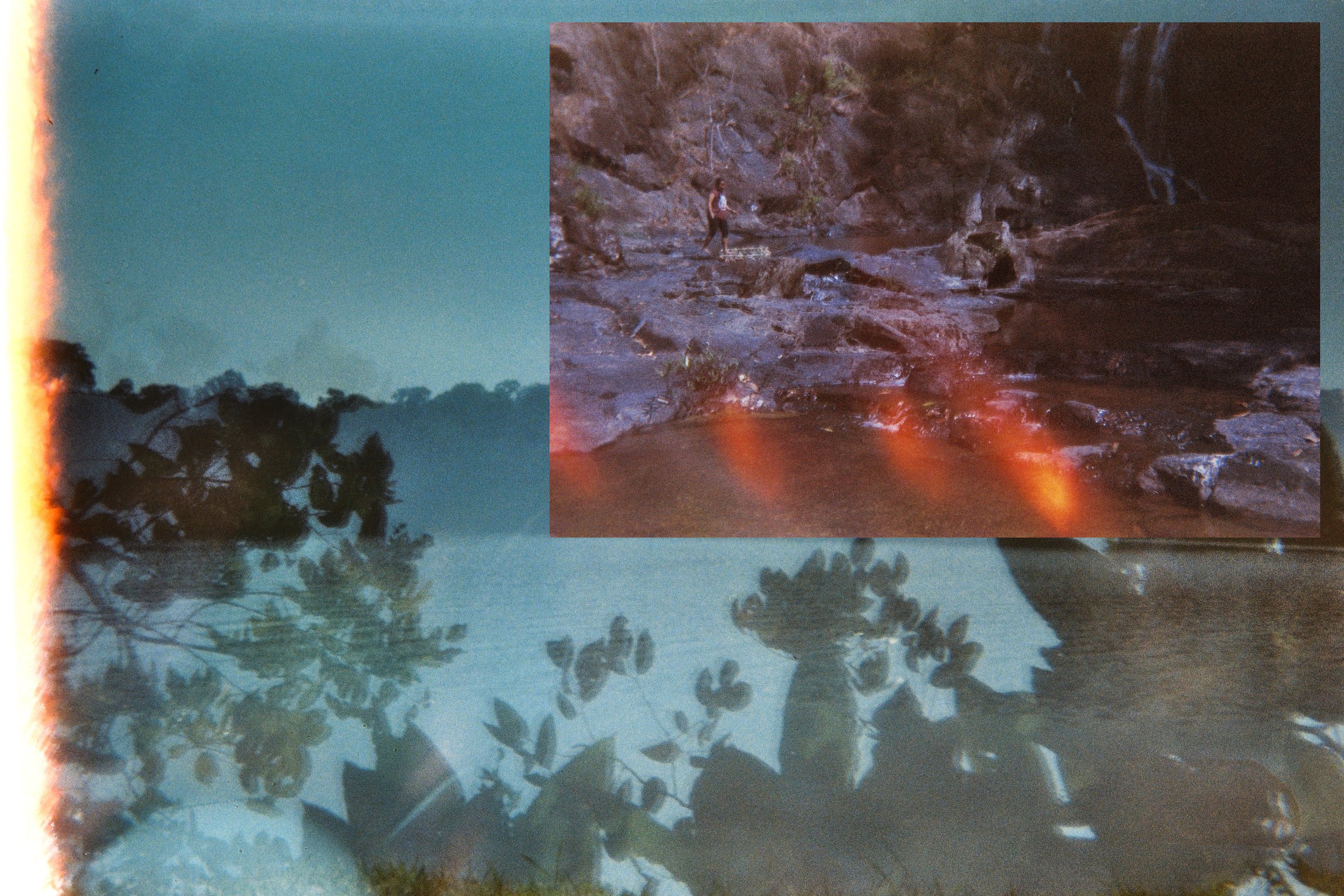
A requiem for a lost innocence.
Where do you go when your home is lost?
Ghosted by today’s greed in service of a
tomorrow estranged from yesterdays.
A family album rotten by the speed of time and silence,
each cousin fading into oblivion,
one more tree cut down,
another mushroom left uncollected,
the leaves that dried out before being made into medicine.
A dying way of life
and an empty village replaced by yet
another city dweller scavenging for leftovers.
Between promises for the future and nostalgia of what passes too quickly.
The mindless cruelty of the flow of things...
Would you trade a single minute in innocence
for an entire life being part of the machine?
The process of observing and choosing what to eat with our mind,
from real to surreal, from surreal to so-real.
What do we want to see?
There's no difference in the act of looking as a citizen, artist, a farmer or an activist:
the process of being in the world is in itself a never-ending gesture of creation.
And destruction.
Seeing is also deciding what's valuable, what's raw, authentic.
If we undress all the plastics, what's the bone deserving to become a future fossil.
And what do we want to say goodbye to?
A requiem for lost lands,
a nostalgia for a way of life endangered by the speed and the greed.
Ideologies and the business-as-usual, the religious divide, the human leftovers.
An indigenous boy removed from his forest farm
in exchange for another rubber plantation,
his sister forced to move to the city
for another low paid job toiling in a garment factory,
the spirits left angry, hungry for justice
and a sense of normalcy.
Why do we only assign value to what's inside a package or opaque walls fed by the coldness of air condition and the spreadsheet?
How to desacralise the sacred and sacralise the mundane?
How to quit the games of competition
and the heavy strings that control them:
the debts that keep us in uncertainty,
an unlevel playing field where blood runs thicker than rice
and the cats are loved by the mice.
Kindness as an act of resistance,
aesthetic choices as gestures of care.
There is beauty in ethics, a resilient ethic in quiet beauty.
How to imagine an antidote against the tragedy of commons,
something to spread out – a pandemic battling the parasitical nature of the modernity we infected ourselves with.
What if we paid more attention to the stains of our actions,
learning to look at the rhizomatic furniture of stories around us.
To slow down and pay attention.
No more hand games, limiting gains to stop the pains.
An ecology of shapes with meanings waiting to be rewilded;
towards the stone-souping of a slowly fading society.
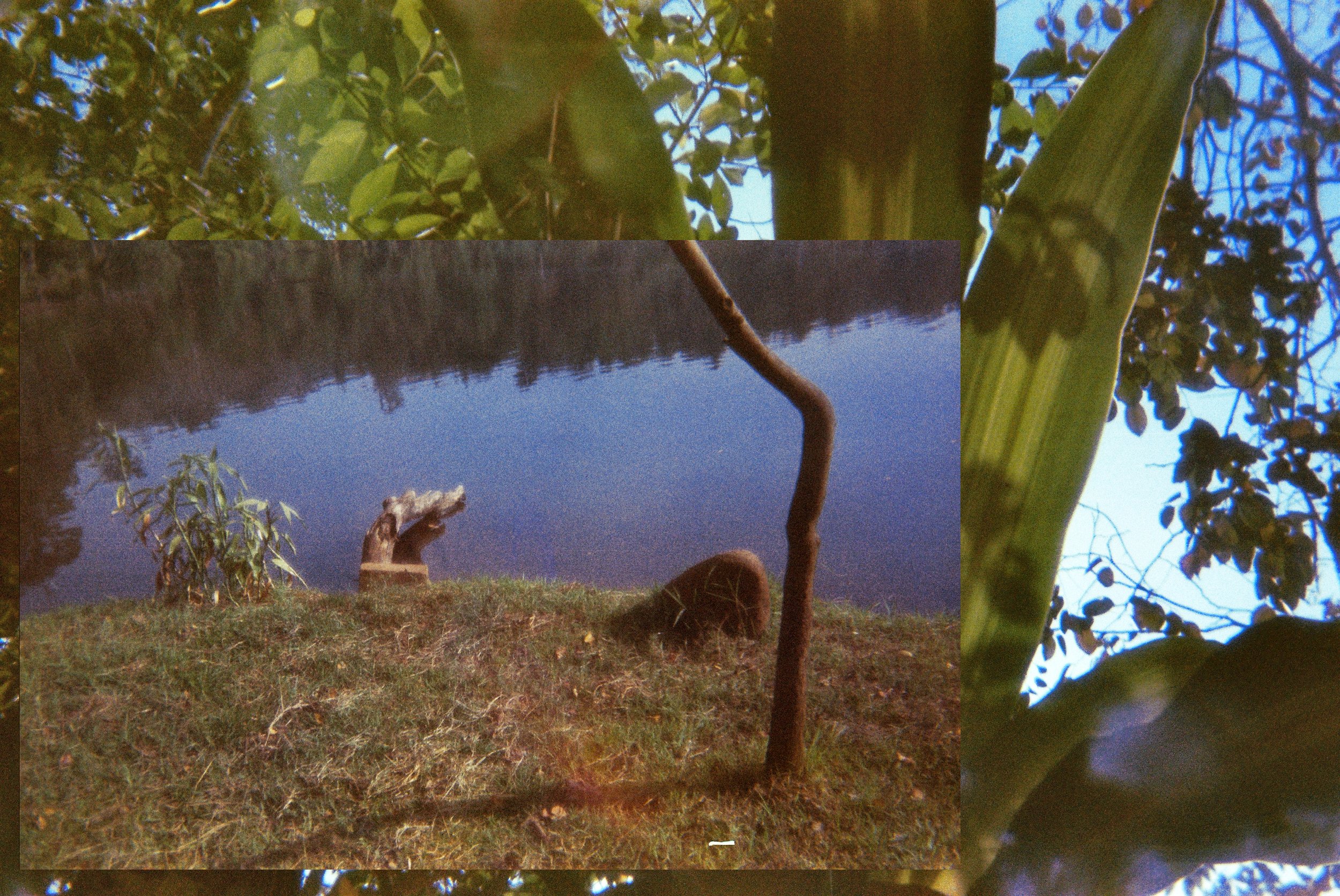
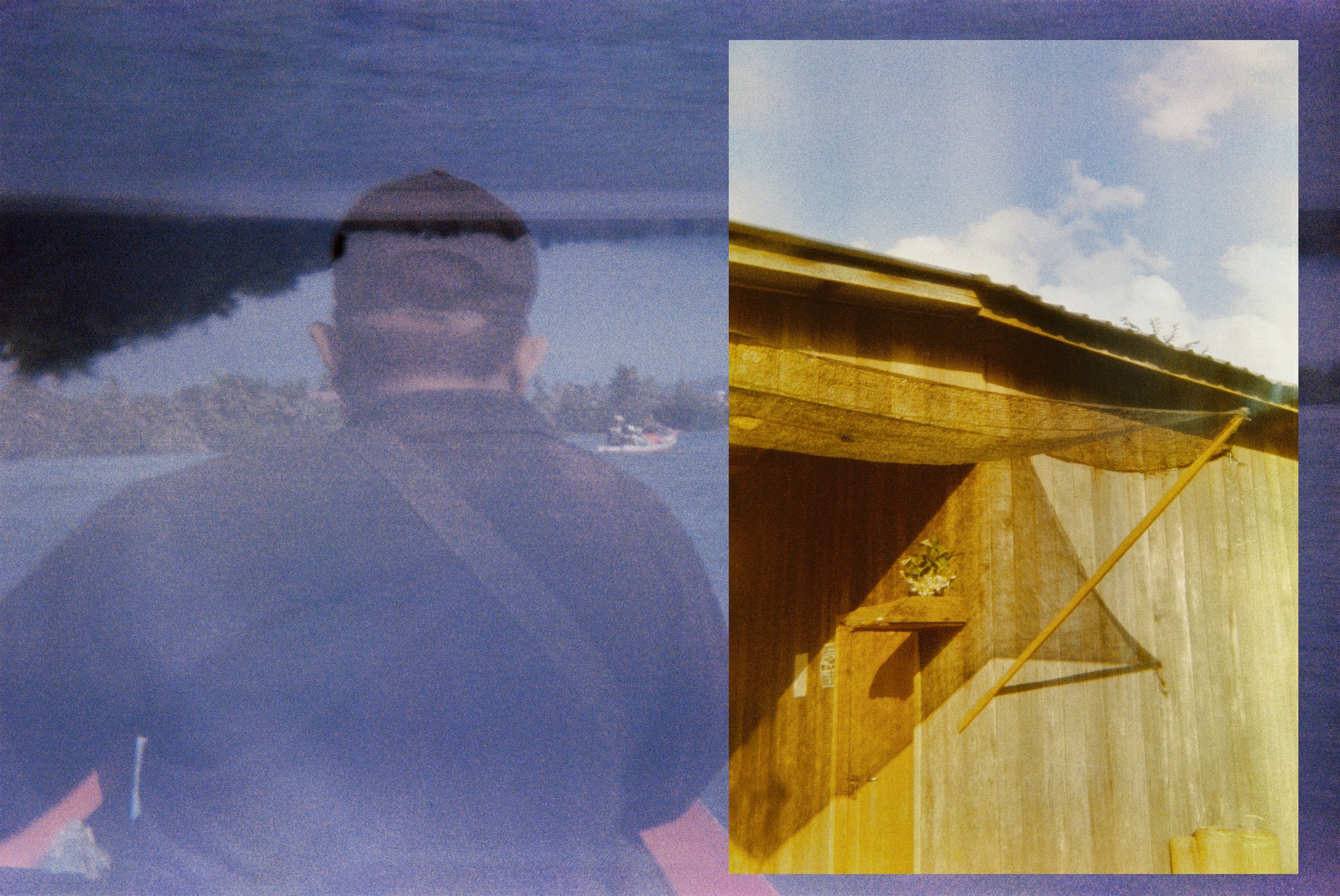
Images used with permission: digitally stitched analogue stills by Miguel Jeronimo, 2025 | Text & poem by Miguel Jeronimo | Please do not re-publish any of the above without prior written consent